Case Study • Music Technology • Platform Engineering

From Audio Hardware to a Connected Digital Platform

AccelOne helped MJP Audio Designs build a unified software platform connecting hardware, cloud, desktop, mobile, and web in approximately five months.

Platform Engineering Cloud Architecture Cross-Platform Development Embedded Linux
client: MJP Audio Designs Jul 2026
MJP_Audio_Hero
~5 Months
Delivered a production-ready platform
Connected
Ecosystem rather than a standalone hardware product
Platforms
Desktop, mobile, web, and embedded Linux
Unified
Single user experience and data model
MJP_Audio_Overview2

Digital Ecosystem for Musicians

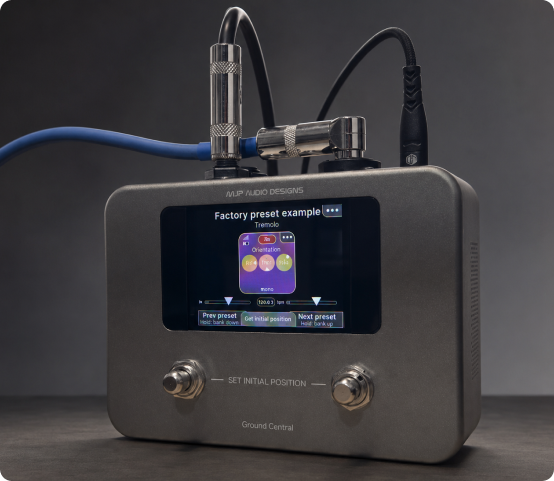
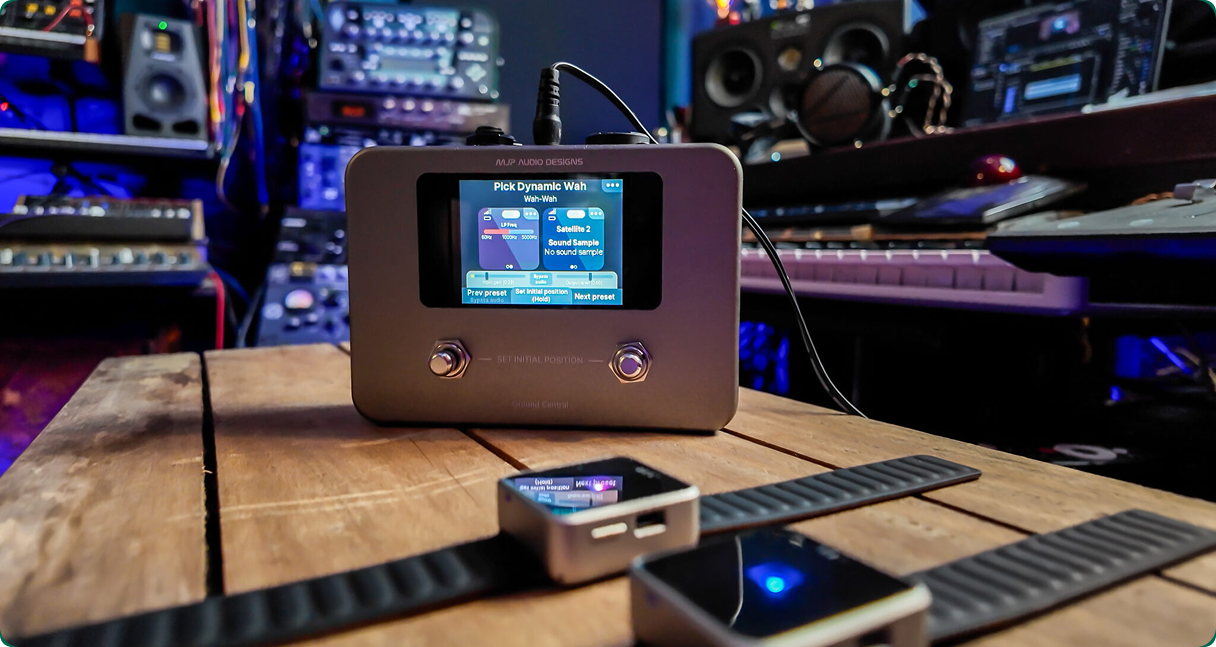
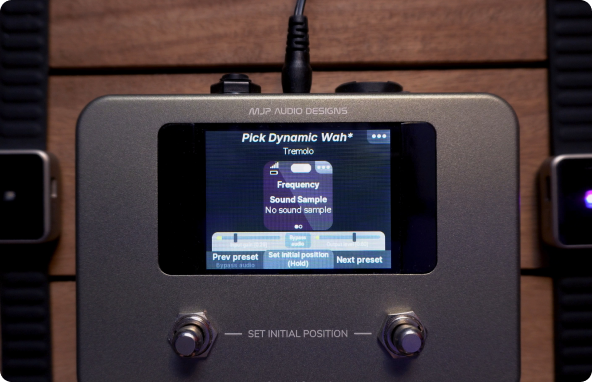
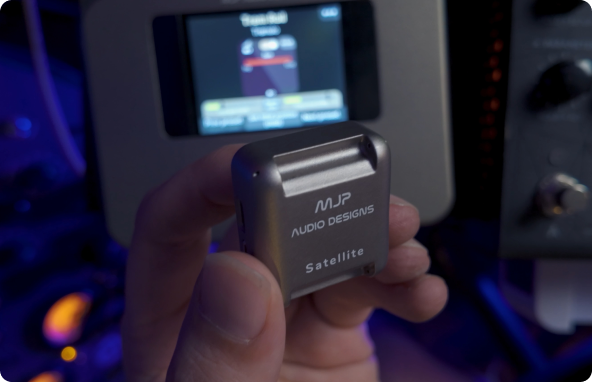
MJP Audio Designs is developing a next-generation digital modeling platform for musicians. While the company possessed deep expertise in audio hardware and DSP technologies, bringing the product to market required building a sophisticated software ecosystem capable of connecting embedded devices, cloud services, desktop applications, mobile experiences, and user communities into a unified platform.

Engineering a Connected Platform for Music Technology

MJP Audio Designs had a clear product vision, but the challenge extended far beyond building a hardware device.

Musicians needed a seamless experience across embedded hardware, desktop, mobile, web, and cloud services, with consistent access to their presets, captures, settings, and content.

This required a scalable, unified architecture supporting synchronization, content distribution, remote management, identity, and future product expansion without rebuilding the platform for each new product generation.

Unified Software Ecosystem Across Every Touchpoint

AccelOne designed and implemented the software platform powering the ecosystem, including:

Cloud-native backend architecture

RESULT 01

Supporting large-scale user growth.

Cross-platform applications

RESULT 02

For desktop, mobile, web, and embedded Linux devices.

Device-to-cloud synchronization services

RESULT 03

For presets, captures, and user assets.

Security

RESULT 04

Secure identity, authentication, and account management systems.

Community

RESULT 05

Content sharing infrastructure.

Remote Device Management

RESULT 06

Control capabilities.

Unified User Experience

RESULT 07

Across hardware, desktop, mobile, and web environments.

Extensible platform architecture

RESULT 08

Designed to support future product generations.

Engineering Highlights

Bringing Multiple Technologies Into One Platform

What made this project particularly challenging was the breadth of technologies involved. Cloud infrastructure, embedded systems, desktop applications, mobile experiences, user identity, content distribution, and device orchestration all needed to operate as a single cohesive platform. 


Creating a Consistent Cross-Platform Experience

The team designed a shared platform architecture and common domain model that ensures a consistent experience regardless of whether a musician interacts through hardware, desktop software, mobile applications, or the web.

Enabling Reliable Device-to-Cloud Synchronization

One of the most technically demanding aspects was device-to-cloud synchronization. Presets, captures, and user assets created on a physical device needed to become reliably available across every connected application with minimal latency and predictable behavior.

Building a Unified and Scalable Software Ecosystem

Achieving this required careful design around synchronization workflows, state management, conflict resolution, and platform scalability. The result is a software ecosystem that behaves as a unified product rather than a collection of disconnected applications. 

Results & Impact

01
Delivered a porduction-ready platform in approximately five months.
02
Established a scalable architecture supporting future user and product growth.
03
Enabled seamless synchronization across devices, applications, and cloud services.
04
Created the foundation for a connected ecosystem rather than a standalone hardware product.
05
Reduced internal development requirements while accelerating time-to-market.
06
Positioned the platform for future subscription, content-sharing, and community-driven business models.

Business Impact

MJP Audio Designs evolved from a hardware-focused company into a scalable digital platform supporting customer engagement, software monetization, and a connected user community.

The architecture provides a foundation for new hardware, subscription models, and content-sharing features without rebuilding the platform for each product generation.

MJP no longer needs to rebuild from scratch with each new product generation. They can build on top of what exists. 

"I knew AccelOne would deliver. Within a month we had a working wireframe. Four or five months in, the product is nearly there. A similar implementation done in-house would have easily taken over a year."

Manuel Peirone, Founder, MJP Audio Designs

Frequently asked questions

How did AccelOne help MJP Audio Designs build its music technology platform?
AccelOne designed and built the complete software ecosystem behind MJP Audio Designs' digital modeling platform. The solution included cloud infrastructure, embedded Linux software, desktop and mobile applications, web services, secure identity management, device synchronization, and content-sharing capabilities, creating a unified experience across every user touchpoint.
What technologies were used to create the MJP Audio Designs platform?
The platform combines cloud-native architecture, embedded Linux development, cross-platform desktop and mobile applications, web technologies, secure authentication, device-to-cloud synchronization, and scalable backend services. The architecture was designed to support current products while enabling future expansion without major redesigns.
Why is device-to-cloud synchronization important for connected hardware products?
Device-to-cloud synchronization allows users to access the same presets, settings, captures, and content across hardware devices, desktop software, mobile apps, and web applications. A reliable synchronization architecture improves the user experience, reduces data inconsistencies, and enables seamless workflows across multiple devices.
How long did it take to develop the MJP Audio Designs platform?
AccelOne delivered a production-ready platform in approximately five months. According to MJP Audio Designs' founder, a comparable in-house implementation would likely have taken more than a year, significantly accelerating the company's time-to-market.
What business benefits did the new platform provide?
The platform transformed MJP Audio Designs from a hardware-focused company into a connected digital ecosystem. It supports future software subscriptions, community features, content sharing, remote device management, and new product generations, providing a scalable foundation for long-term business growth.
Can AccelOne build software platforms for connected hardware and IoT products?
Yes. AccelOne specializes in designing scalable software platforms that connect embedded devices with cloud infrastructure, desktop applications, mobile apps, and web services. These platforms are built to support secure synchronization, remote management, user authentication, and future product expansion across industries such as music technology, healthcare, industrial systems, and connected devices.

Real outcomes, measurable impact

From FinTech to Government and Enterprise, we help organizations achieve faster delivery, higher quality, and sustainable innovation.

Explore more perspectives from AccelOne